












 AEO and Answer Engine Optimization
 SEO Services and Search Engine Optimisation
 GEO and AI Search Visibility
 Social Media Content and Community Management
 Influencer and Creator Partnerships
 Digital PR and Link Building
 Local SEO and Google Business Profile Management
 Content Marketing
 App Store Optimisation
 E-commerce SEO Services
 Multi-location Map Management and Reporting
 Google Maps and Business Profile Management
 Review Management and Removal Request Tracking
 E-commerce Website Design
 Google Workspace Setup and Management
 Business Email Migration
 Email Deliverability
 Corporate Website Design
 AI-Assisted Website Development
 Website Management and Maintenance
 Shopify E-Commerce Design and Management
 Landing Page Design
 AI-Assisted Creative and Content Production
 AI Chatbot Setup
 Conversion Rate Optimisation and UX
 Ongoing Design and UX Support
 Brand Strategy and Corporate Identity
 Web Accessibility Audit
 Business Web Application Development
 AI and CRM Consulting
 Salesforce Setup and Consulting
 HubSpot CRM and Marketing Automation
 Zoho CRM Setup and Management
 GA4 and Google Tag Manager Setup
 Digital Marketing Data and Reporting
 Email, SMS, and Customer Retention
 AI Strategy and Roadmap
 AI Agents and Workflow Automation
 Marketplace Store Management
 Digital Marketing Strategy and Annual Roadmap
 Digital Marketing Consulting
 Fractional Marketing Leadership
 Digital Marketing Training and Workshops
 Performance Marketing Management
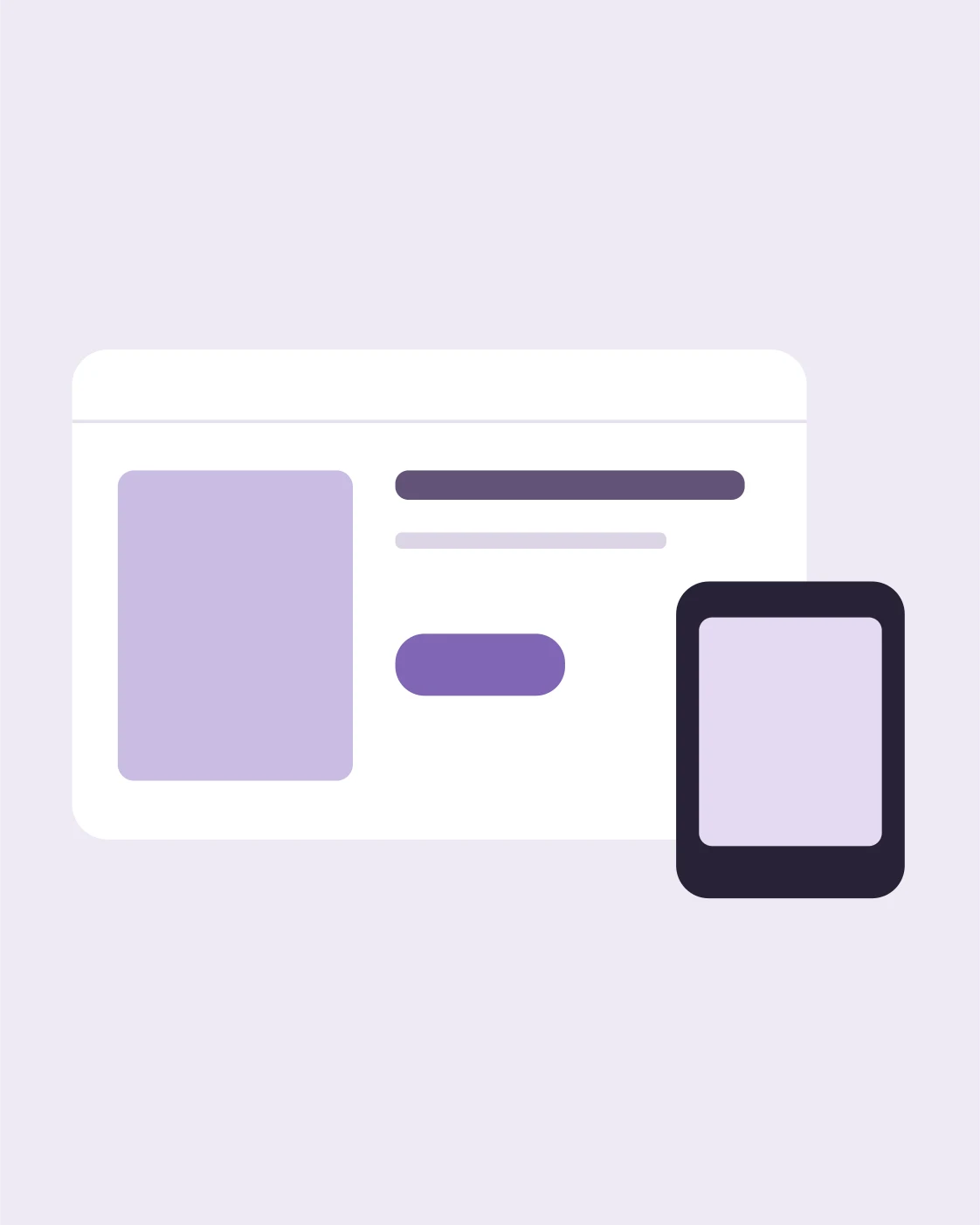
A multilingual website involves more than translating the same copy into another language. Plan target-market questions, page URLs, proposal language, and support together. Giving each language version readable URLs and consistent content makes management easier. Defining which market you want to reach with which product or service at the outset reduces unnecessary translation and maintenance work.
Do not confuse language with market
Creating English pages does not by itself serve every international market. Clarify the languages sales can support, delivery conditions, and quote currencies first. State which services are available in which countries. Users should not see one promise on the homepage and different conditions after submitting a form. Translating the most valuable customer journey first may be more useful than translating the entire archive indiscriminately.
- Target market and support language
- Available services and proposal conditions
Define page equivalents from the outset
Match each service page to its equivalent in other languages. Switching language should not always send users to the homepage; where possible, take them to the equivalent of their current content. Check language URLs, canonical tags, and hreflang relationships technically. Define behavior for untranslated pages separately. Incorrect language annotations can make different content appear to be translations of each other; automatic generation does not make them correct.
- Reciprocal language-page matching
- Language switching and missing-translation behavior
Review translations for commercial meaning
A literal service-name translation may not match the term used in the target market. Have someone familiar with the terminology review the copy. Verify that specifications, pricing scope, and process steps remain consistent across languages. Text in images and downloadable files belongs in the translation plan too. Deciding which language versions need updating when a new offer or service change is published is part of content management.
- Consistent terminology and scope
- File and image content
- Update owner
Before putting the plan into practice
If an English service page's form shows Turkish errors, translation is incomplete. Check the success message, notification email, and receiving team's language capacity along the same customer journey.
Test the real inquiry journey in each language
Complete the navigation, service page, and form in the target language. Error messages, thank-you screens, and incoming emails should use the user's language too. Sales should be able to see which language page generated the inquiry. Assess languages separately instead of merging performance into total traffic. With ReklamKlik, plan a multilingual site's scope through content maintenance and inquiry handling alongside page counts.
- Form, error, and email language
- Lead tracking by language
Sources
Let’s define the next step together.
Share your goal and current situation; let’s discuss a scope suited to your needs.
Request a quote →