













 AEO and Answer Engine Optimization
 SEO Services and Search Engine Optimisation
 GEO and AI Search Visibility
 Social Media Content and Community Management
 Influencer and Creator Partnerships
 Digital PR and Link Building
 Local SEO and Google Business Profile Management
 Content Marketing
 App Store Optimisation
 E-commerce SEO Services
 Multi-location Map Management and Reporting
 Google Maps and Business Profile Management
 Review Management and Removal Request Tracking
 E-commerce Website Design
 Google Workspace Setup and Management
 Business Email Migration
 Email Deliverability
 Corporate Website Design
 AI-Assisted Website Development
 Website Management and Maintenance
 Shopify E-Commerce Design and Management
 Landing Page Design
 AI-Assisted Creative and Content Production
 AI Chatbot Setup
 Conversion Rate Optimisation and UX
 Ongoing Design and UX Support
 Brand Strategy and Corporate Identity
 Web Accessibility Audit
 Business Web Application Development
 AI and CRM Consulting
 Salesforce Setup and Consulting
 HubSpot CRM and Marketing Automation
 Zoho CRM Setup and Management
 GA4 and Google Tag Manager Setup
 Digital Marketing Data and Reporting
 Email, SMS, and Customer Retention
 AI Strategy and Roadmap
 AI Agents and Workflow Automation
 Marketplace Store Management
 Digital Marketing Strategy and Annual Roadmap
 Digital Marketing Consulting
 Fractional Marketing Leadership
 Digital Marketing Training and Workshops
 Performance Marketing Management
Adapt your website to the way your business works.
We develop business web applications alongside customer journeys, content management, and workflows. Quote and application forms, management screens, and necessary system connections are built within a defined scope, with permissions, error handling, mobile use, and maintenance deliverables included in the project plan.
Let’s turn your needs into a clear work plan.
We develop business web applications alongside customer journeys, content management, and workflows. Quote and application forms, management screens, and necessary system connections are built within a defined scope, with permissions, error handling, mobile use, and maintenance deliverables included in the project plan.
What will you have at the end of the work?
- Functional and acceptance scope
- A manageable web application
- Launch and maintenance handover plan
Scope, delivery schedules and responsibilities are clarified together during the quotation stage.
Who is it for?
We develop business web applications alongside customer journeys, content management, and workflows. Quote and application forms, management screens, and necessary system connections are built within a defined scope, with permissions, error handling, mobile use, and maintenance deliverables included in the project plan.
Where should we start the conversation?
- Current website and workflows
- User roles and connection requirements
- Priority features and budget framework
What do we address together?
Implementations planned around your needs and the scope of each area.
Requirements and acceptance scenarios
We define which users will complete which tasks. Administrator, content team, and visitor needs are assessed separately. Functional success criteria are documented before design and coding. Out-of-scope needs and later stages are identified; proposals use concrete screens and actions rather than vague custom software descriptions.
Administration panel and content model
We plan the fields used to manage services, content, and business information. Draft, preview, and publication states are separated. Labels and flows fit the technical capacity of the team doing the daily work. Actual tasks take priority over unnecessary menu clutter, aiming to keep critical information consistent across pages.
Custom forms and inquiry flows
We validate form inputs on the server and assess duplicate submissions and spam. Inquiry records are distinguished from notification outcomes. If a CRM connection or tracking screen is needed, sources, owners, and status information are scoped. Success and error messages are understandable; a thank-you message on screen alone is not delivery evidence.
Integrations and data boundaries
We define the connected system’s necessary data, access, and action permissions. Secrets such as keys and passwords are not placed in source code or public interfaces. Behavior is defined for connection failures and repeated actions. Third-party usage costs and maintenance responsibilities are explicitly separated in the proposal.
Mobile experience and accessibility
Approved designs are checked at different screen widths and orientations. Form labels, focus, keyboard use, and error behavior are assessed. Performance issues are tied to page templates. Acceptance does not end with a homepage screenshot; visitor and administrator tasks are tested in the working application.
Launch, handover, and maintenance
Backups, environment settings, and access owners are checked before launch. Existing URL or data migration is planned separately where needed. Handover uses the business’s daily management tasks. Update, error tracking, and restoration responsibilities are clarified; maintenance after the first launch is not left as a hidden item outside the project.
A clear purpose and deliverable at every step.
From initial assessment to implementation, and from implementation to regular improvement.
Functional and design scope
User tasks, screens, data fields, and acceptance criteria are prepared. The functionality covered by the approved design is explicitly defined.
Development and integration
Features are developed in traceable stages. Permissions and error cases are checked alongside successful actions.
Acceptance, launch, and management handover
The business team reviews the application through actual tasks. Management is handed over with launch and maintenance responsibilities defined.
How do we assess success?
- Successful user tasks
- Form and integration reliability
Accepted user tasks, successful form records, and integration results are monitored through their own checks. Successful completion, notification delivery, and CRM visibility are separate steps. Open errors and maintenance tasks are reported with owners; technical delivery is not presented as a guarantee of commercial outcomes.
Questions about Business Web Application Development.
How is a web development project priced?
Features, roles, data, and integrations are assessed before screen counts. Content preparation, migration, and maintenance deliverables are shown separately; fixed outcomes or timelines are not promised before scope is clear.
Can an existing website be improved?
We review the current code, platform, access, and maintenance status. Improvement and rebuilding options are compared by cost and risk.
Will our team be able to use the administration panel?
Daily tasks are designed for the business team. Training and handover include testing content updates and inquiry tracking in the working application.
Are SEO and mobile compatibility included?
Technical accessibility, URL structure, and mobile use are included in acceptance scope. Ongoing content and SEO management deliverables are stated separately; completing the design does not guarantee organic results.
How do you choose between custom software and an existing platform?
We compare user tasks, data relationships, existing system connections, and the business team’s management needs. We do not turn work an existing platform can handle into unnecessary custom development. Development, licensing, and maintenance options are assessed against the same acceptance scope.
What is tested during project acceptance?
Visitor and administrator tasks in the approved scope are checked in the working application. Form records, notifications, permission limits, invalid data, and repeated actions are assessed alongside successful flows. The ability to track actions within your business is part of delivery, as is mobile appearance.
Services contributing to the same goal.
Services we can plan together
Corporate Web Design
A web experience worthy of your brand.
Discover the service ↗ Web & Creative
AI-Assisted Website Development
Controlled development, from data to interface.
Discover the service ↗ Web & Creative
Website Management
Maintenance, updates and a healthy website.
Discover the service ↗ Analytics & CRM
AI and CRM Consulting
From customer information to supervised suggestions.
Discover the service ↗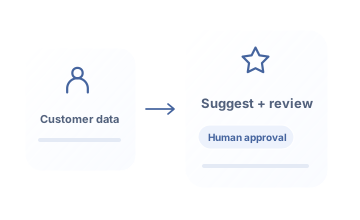
Before choosing a service
ask the right questions.


Request a quote for your needs.
Share your goal and current situation. Let’s define scope, priorities and the next step together.
0543 862 94 05merhaba@reklamklik.com