












 AEO and Answer Engine Optimization
 SEO Services and Search Engine Optimisation
 GEO and AI Search Visibility
 Social Media Content and Community Management
 Influencer and Creator Partnerships
 Digital PR and Link Building
 Local SEO and Google Business Profile Management
 Content Marketing
 App Store Optimisation
 E-commerce SEO Services
 Multi-location Map Management and Reporting
 Google Maps and Business Profile Management
 Review Management and Removal Request Tracking
 E-commerce Website Design
 Google Workspace Setup and Management
 Business Email Migration
 Email Deliverability
 Corporate Website Design
 AI-Assisted Website Development
 Website Management and Maintenance
 Shopify E-Commerce Design and Management
 Landing Page Design
 AI-Assisted Creative and Content Production
 AI Chatbot Setup
 Conversion Rate Optimisation and UX
 Ongoing Design and UX Support
 Brand Strategy and Corporate Identity
 Web Accessibility Audit
 Business Web Application Development
 AI and CRM Consulting
 Salesforce Setup and Consulting
 HubSpot CRM and Marketing Automation
 Zoho CRM Setup and Management
 GA4 and Google Tag Manager Setup
 Digital Marketing Data and Reporting
 Email, SMS, and Customer Retention
 AI Strategy and Roadmap
 AI Agents and Workflow Automation
 Marketplace Store Management
 Digital Marketing Strategy and Annual Roadmap
 Digital Marketing Consulting
 Fractional Marketing Leadership
 Digital Marketing Training and Workshops
 Performance Marketing Management
SEO-friendly web design considers search engines' access to important content alongside visitors' ability to find answers easily. Adding keywords or installing an SEO plugin is not enough. Page structure, links, content, performance, and publication settings need review during design. Including these decisions in the project scope from the outset is more efficient than adding fixes later.
Build the page hierarchy around customer questions
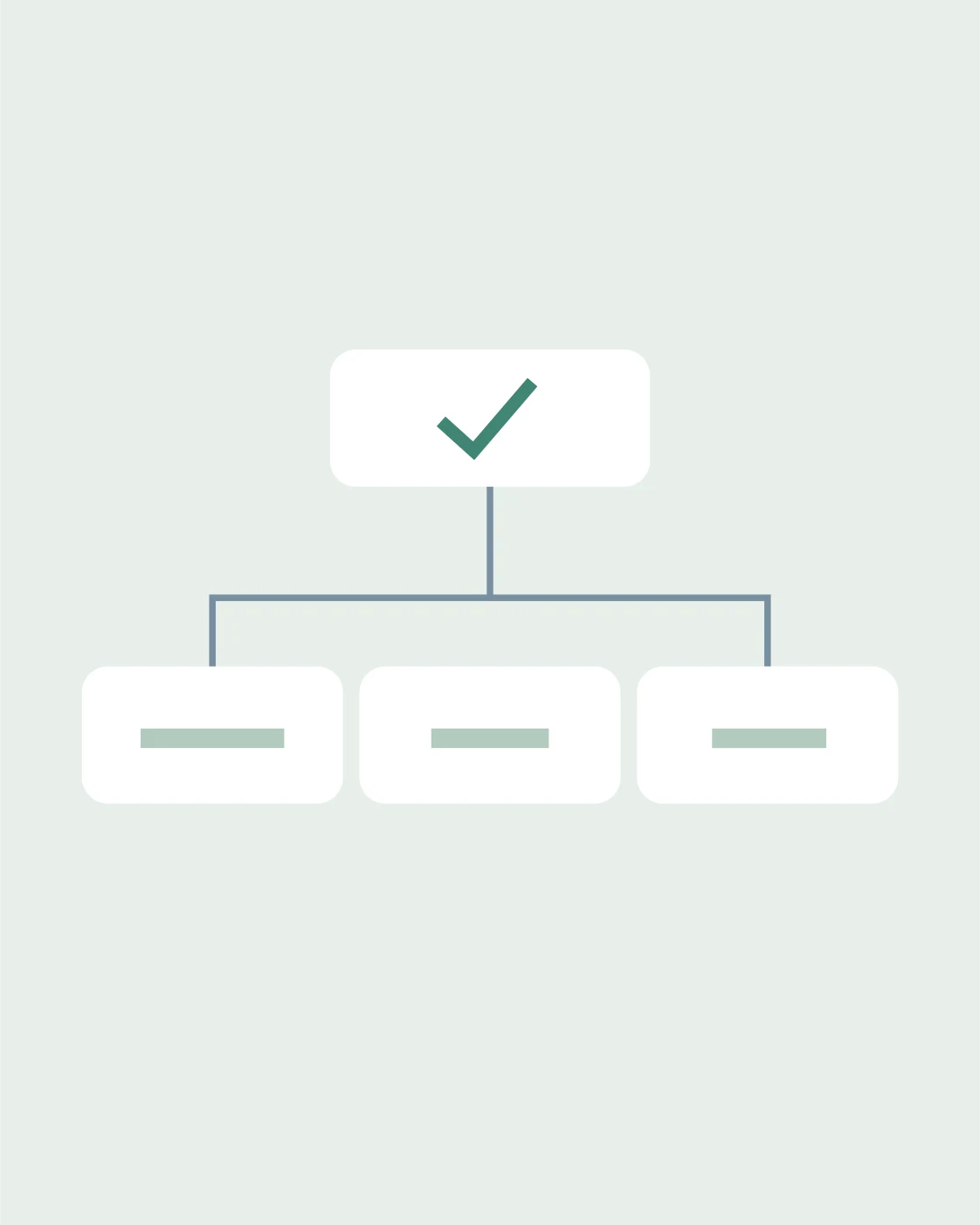
Separate pages for each service can be useful, but do not create similar pages for keyword variations addressing the same need. First document which page will meet each search intent. Let service pages support purchase evaluation and guides answer practical questions. Make that distinction visible through navigation and internal links. Putting every topic on the homepage can make service details harder to understand.
- One primary page per intent
- Distinction between services and guides
Design must accommodate real content
Check headings against actual service names rather than short demo copy. Present text readably on the page instead of embedding it only in images. Process, deliverables, and suitability information should be easy to scan, with explanatory images supporting the text. Address each page's decision question instead of copying the same paragraph across all services. Pay particular attention to clipped long headings and links on phones.
- Readable main content
- Descriptive headings and image text
Add technical checks to the delivery list
Indexing directives, preferred URLs, redirects, and the sitemap should point to the same addresses. Prevent preview environments from being indexed accidentally, and ensure development restrictions do not block the live site. Map valuable pages when migrating from an old website. Details such as image dimensions and font loading can affect layout stability. Run checks across different templates as well as the homepage.
- Canonical URLs and indexing
- Old URL mapping
- Performance by template
Before putting the plan into practice
If a service's scope is explained only in a PDF, add important decision-making information to the page too. The file can be a useful supplement; visitors should not have to download it to understand the service.
What should you review after launch?
Track access and indexing status in Search Console and organic landing visits in analytics. Do not treat traffic growth alone as success; assess whether visitors reach suitable services and submit actual inquiries. Liking a new design and improving search performance are different measurements. ReklamKlik considers web design and SEO in the same project plan, clarifying technical task owners and review dates.
- Indexing and query monitoring
- Quality of organic inquiries
Sources
Let’s define the next step together.
Share your goal and current situation; let’s discuss a scope suited to your needs.
Request a quote →