












 AEO and Answer Engine Optimization
 SEO Services and Search Engine Optimisation
 GEO and AI Search Visibility
 Social Media Content and Community Management
 Influencer and Creator Partnerships
 Digital PR and Link Building
 Local SEO and Google Business Profile Management
 Content Marketing
 App Store Optimisation
 E-commerce SEO Services
 Multi-location Map Management and Reporting
 Google Maps and Business Profile Management
 Review Management and Removal Request Tracking
 E-commerce Website Design
 Google Workspace Setup and Management
 Business Email Migration
 Email Deliverability
 Corporate Website Design
 AI-Assisted Website Development
 Website Management and Maintenance
 Shopify E-Commerce Design and Management
 Landing Page Design
 AI-Assisted Creative and Content Production
 AI Chatbot Setup
 Conversion Rate Optimisation and UX
 Ongoing Design and UX Support
 Brand Strategy and Corporate Identity
 Web Accessibility Audit
 Business Web Application Development
 AI and CRM Consulting
 Salesforce Setup and Consulting
 HubSpot CRM and Marketing Automation
 Zoho CRM Setup and Management
 GA4 and Google Tag Manager Setup
 Digital Marketing Data and Reporting
 Email, SMS, and Customer Retention
 AI Strategy and Roadmap
 AI Agents and Workflow Automation
 Marketplace Store Management
 Digital Marketing Strategy and Annual Roadmap
 Digital Marketing Consulting
 Fractional Marketing Leadership
 Digital Marketing Training and Workshops
 Performance Marketing Management

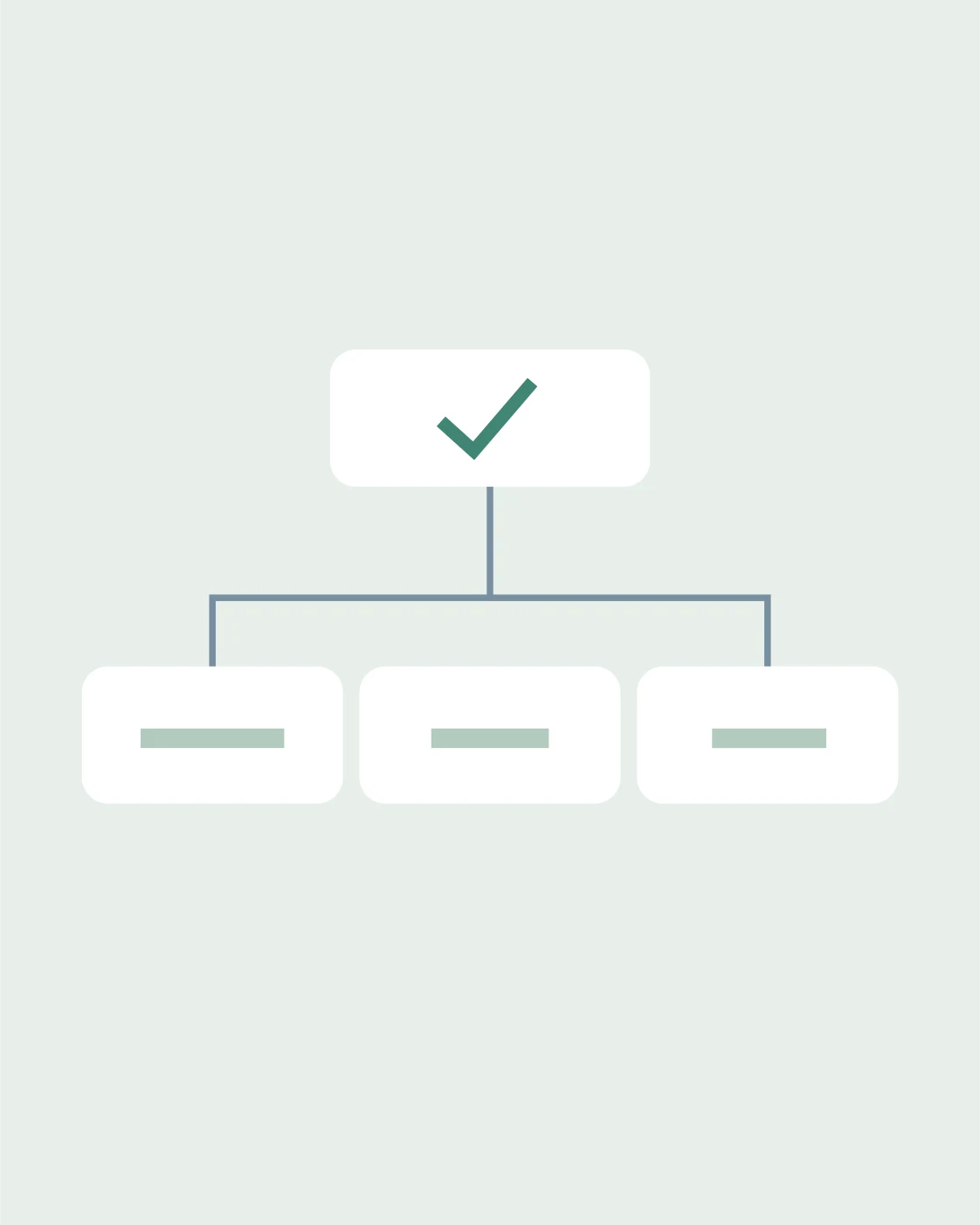
A topic cluster addresses different questions around the same customer need through complementary content. A main service page can explain the commercial scope, while guides answer questions about implementation, evaluation, and preparation. The aim is not to create a separate page for every keyword. Readers researching a topic should reach the next relevant information without encountering unnecessary repetition.
Choose the central need around a service
Identify a topic that your business actually serves and your customers research. A high-volume subject unrelated to your service does not create a sustainable content strategy. Write down which decision the main page will support. Then list the questions people ask before or after that decision. A web design service may involve different needs such as content preparation, mobile usability, or website migration; there is no need to repeat the same definition under different titles.
- An actual service and customer need
- Questions before and after the decision
Explain the distinct role of each article
Before writing the title, decide what readers should be able to do by the end of the article. If two pieces serve the same role, consider combining them or improving the existing article. Do not turn an informational query into a service sales pitch, or force someone with commercial intent through a long definition article. Show the target URL, core question, and related service together in the topic map. Assess the range of needs you meet, rather than the number of articles.
- One article with a clear role
- Distinguishing informational and commercial intent
Place links along the reader’s journey
Links between related articles and services should answer the question the reader is likely to pursue next. Linking every piece to every other piece does not create meaningful architecture. Use link text that clearly describes the destination. When a new article is published, make it discoverable from relevant older pages too. This prevents it from remaining buried at the end of the blog list. Navigation relationships are part of editorial design, just as section and heading order are.
- The next relevant question
- Clear link text
Before putting this into practice
When a new topic is proposed, check whether an existing article already answers the same question. Adding the required detail to older content may be better than creating a separate short article. Updating is also part of content production.
Which data helps you improve the cluster?
Review query, landing page, and onward service-page visit data together. If an article attracts traffic with the wrong expectations, adjust its title or scope. Before removing it for low traffic, check reach and how well it matches the need. ReklamKlik plans content production as an ongoing maintenance process. Keeping existing articles current, verifying sources, and consolidating repetition are as much a part of the work as developing new topics.
- Query and page alignment
- Decisions to update or consolidate
Sources
Let’s define the next step together.
Share your goal and current situation; let’s discuss a scope suited to your needs.
Request a quote →