












 AEO and Answer Engine Optimization
 SEO Services and Search Engine Optimisation
 GEO and AI Search Visibility
 Social Media Content and Community Management
 Influencer and Creator Partnerships
 Digital PR and Link Building
 Local SEO and Google Business Profile Management
 Content Marketing
 App Store Optimisation
 E-commerce SEO Services
 Multi-location Map Management and Reporting
 Google Maps and Business Profile Management
 Review Management and Removal Request Tracking
 E-commerce Website Design
 Google Workspace Setup and Management
 Business Email Migration
 Email Deliverability
 Corporate Website Design
 AI-Assisted Website Development
 Website Management and Maintenance
 Shopify E-Commerce Design and Management
 Landing Page Design
 AI-Assisted Creative and Content Production
 AI Chatbot Setup
 Conversion Rate Optimisation and UX
 Ongoing Design and UX Support
 Brand Strategy and Corporate Identity
 Web Accessibility Audit
 Business Web Application Development
 AI and CRM Consulting
 Salesforce Setup and Consulting
 HubSpot CRM and Marketing Automation
 Zoho CRM Setup and Management
 GA4 and Google Tag Manager Setup
 Digital Marketing Data and Reporting
 Email, SMS, and Customer Retention
 AI Strategy and Roadmap
 AI Agents and Workflow Automation
 Marketplace Store Management
 Digital Marketing Strategy and Annual Roadmap
 Digital Marketing Consulting
 Fractional Marketing Leadership
 Digital Marketing Training and Workshops
 Performance Marketing Management
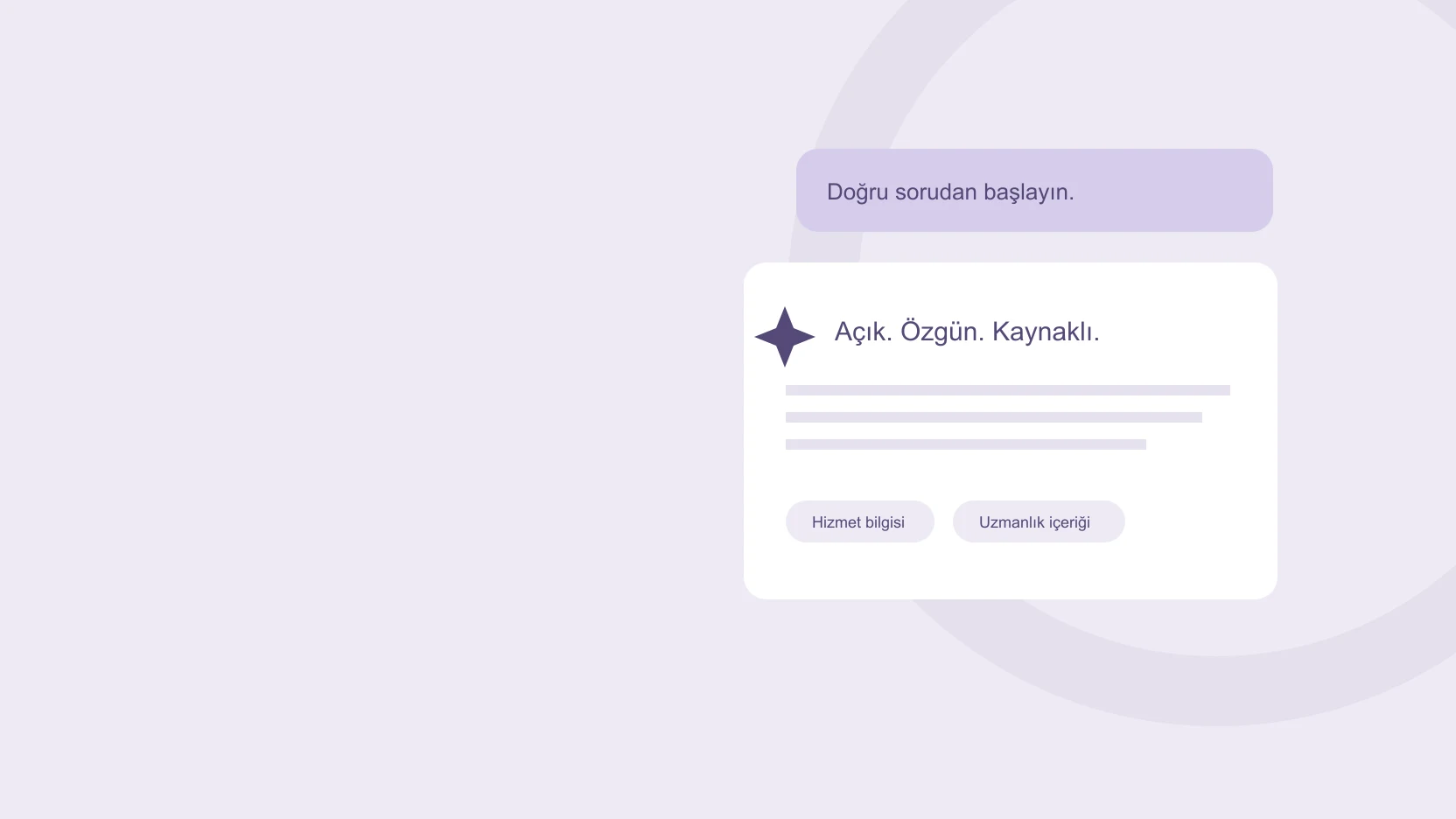
SEO addresses search visibility, GEO addresses clarity in generative AI experiences, and AEO addresses content structured to answer questions clearly. For a business, the first step is to build a website that answers customers' questions accurately and reliably.
At ReklamKlik, we first apply this plan to our own services: we explain what we do, which deliverables we provide, and which questions we answer. We use the same method for client projects, grounded in the business's actual information.
Check the basic access requirements for visibility first
Google does not require a separate special schema or AI text file for its AI features in Search. Basic SEO practices still apply: a page needs to be accessible, eligible for indexing, and useful. Meeting these conditions does not guarantee visibility.
Start with page URLs, internal links, and presenting important information as HTML text. Before making draft pages available to search engines, verify the content's purpose and the service's actual scope. Instead of repeating the same topic at different URLs, use a content map to identify the question each page answers.
- Check basic crawling and indexing requirements.
- Present important information as readable text.
- Identify a distinct user need for each URL.
Answer questions in an order that supports decisions
Plan a service page like a conversation rather than a long company introduction. Address these questions in order: is this service right for me, what will be done, what information is needed, how will deliverables be assessed, and how will the proposal be prepared?
Begin each section with a short, clear answer, then add the detail needed. Explain technical terms at first use. Do not hide conditions that affect scope. For example, if e-commerce integration is needed, discuss the existing system, catalog structure, and payment flow before preparing a quote. Drawing frequently asked questions from real conversations makes the content plan more useful.
- Write the short answer first, then explain the reasoning.
- State conditions affecting scope clearly.
- Add questions from sales conversations to the content plan.
Manage business information from one source
Conflicting phone numbers, email addresses, addresses, and service names across pages create uncertainty for users. Providing this information through shared fields in the admin panel makes consistency easier to maintain during updates. Do not invent an office address or customer review for an area where there is no real branch.
When preparing a local page, do more than change the place name. Explain why the service suits businesses in that area, which local needs the consultation will address, and how the service is delivered. Distinguish verified sources from the business's own experience, and avoid undocumented success claims.
- Provide contact information from a shared source.
- Do not add fictitious branches, reviews, or success claims.
- Explain the area-specific benefit on local pages.
Turn content improvements into a documented cycle
In the initial review, identify which service pages need to answer missing questions. Record the date, purpose, and expected user behavior for each edit. Then review search data alongside proposal conversations to decide on the next improvement.
If you monitor AI answers, note the query, date, and experience used; do not present one example as a measure of overall visibility. Separating drafts from approved publications in the admin panel supports this process too. Changes made before review is complete will then stay out of live service descriptions.
- Record the purpose and date of each edit.
- Review search data alongside proposal conversations.
- Do not present sample observations as guarantees or comprehensive measurement.
Assess AI visibility using separate data
Search Console's Generative AI performance report lets you examine impressions in Google Search AI Overviews and AI Mode by page, country, date, and device. The report may not appear for a property without enough impressions. Do not interpret this data as a recommendation rate across all AI systems or proof of sales. Standard search reports, analytics sessions, and CRM opportunities answer different questions. When service copy changes, record the date and track the relevant URL's impressions, visits, and qualified inquiries separately. In ReklamKlik reviews, this distinction helps connect visibility changes with their commercial value.
- Track AI impressions separately from website visits.
- Avoid early conclusions when data volumes are low.
- Connect CRM outcomes to the report.
Sources
Let’s define the next step together.
Share your goal and current situation; let’s discuss a scope suited to your needs.
Request a quote →