












 AEO and Answer Engine Optimization
 SEO Services and Search Engine Optimisation
 GEO and AI Search Visibility
 Social Media Content and Community Management
 Influencer and Creator Partnerships
 Digital PR and Link Building
 Local SEO and Google Business Profile Management
 Content Marketing
 App Store Optimisation
 E-commerce SEO Services
 Multi-location Map Management and Reporting
 Google Maps and Business Profile Management
 Review Management and Removal Request Tracking
 E-commerce Website Design
 Google Workspace Setup and Management
 Business Email Migration
 Email Deliverability
 Corporate Website Design
 AI-Assisted Website Development
 Website Management and Maintenance
 Shopify E-Commerce Design and Management
 Landing Page Design
 AI-Assisted Creative and Content Production
 AI Chatbot Setup
 Conversion Rate Optimisation and UX
 Ongoing Design and UX Support
 Brand Strategy and Corporate Identity
 Web Accessibility Audit
 Business Web Application Development
 AI and CRM Consulting
 Salesforce Setup and Consulting
 HubSpot CRM and Marketing Automation
 Zoho CRM Setup and Management
 GA4 and Google Tag Manager Setup
 Digital Marketing Data and Reporting
 Email, SMS, and Customer Retention
 AI Strategy and Roadmap
 AI Agents and Workflow Automation
 Marketplace Store Management
 Digital Marketing Strategy and Annual Roadmap
 Digital Marketing Consulting
 Fractional Marketing Leadership
 Digital Marketing Training and Workshops
 Performance Marketing Management
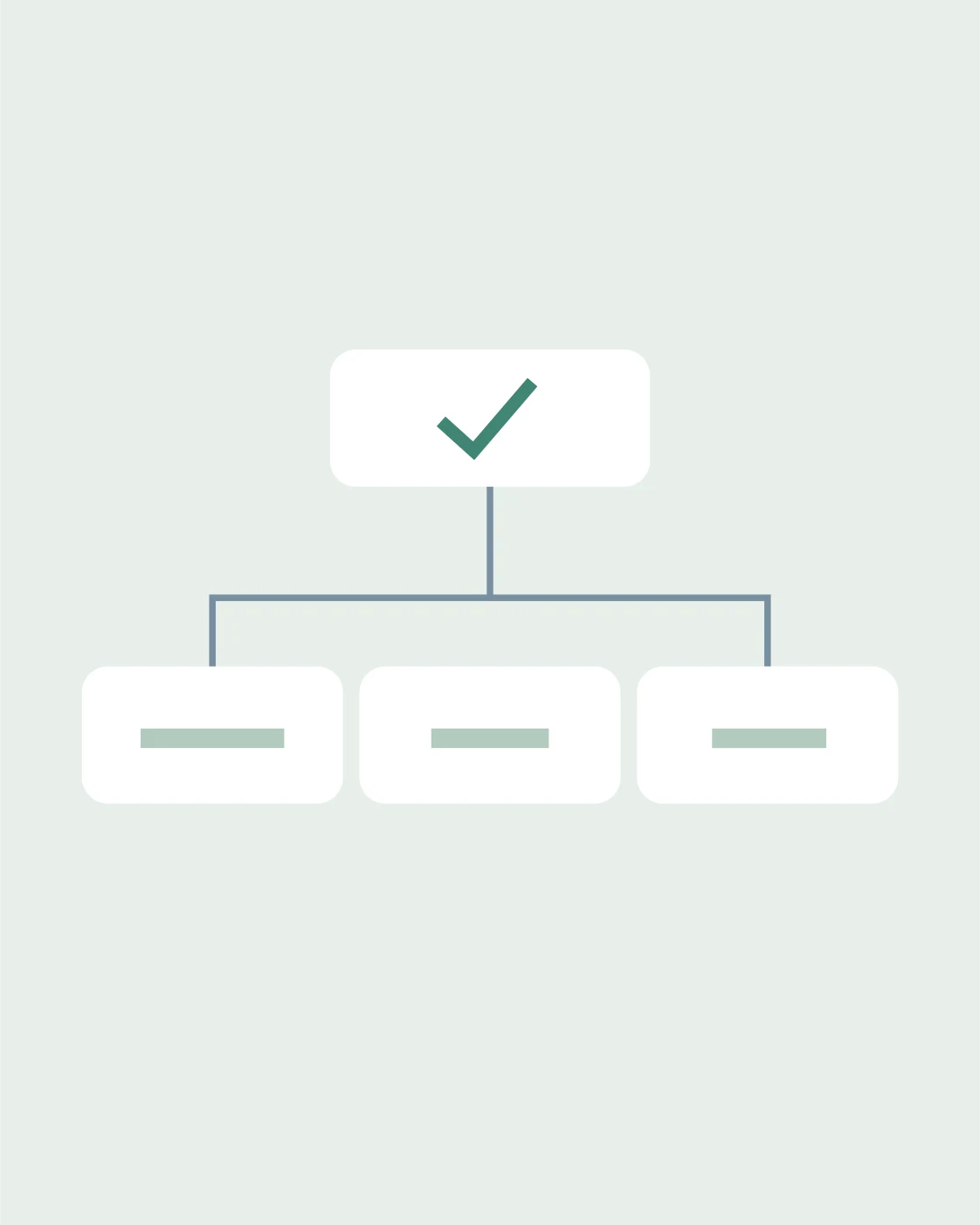
A low rating on Google, or a business disagreeing with a review, is not sufficient reason for removal on its own. Reviews that violate policies may be assessed through reporting and the appropriate appeal process. The right approach for a business is to record the review link, specific grounds, and request status while establishing a process for responding to genuine customer feedback.
Distinguish a negative experience from a suspected violation
A dissatisfied customer’s statement is not handled in the same way as spam or an off-topic review. First examine whether there is a specific violation under Google’s current content policy. No one on your team recognizing the customer does not necessarily prove the review is fake. Before accusing someone in a public reply, assess the matter carefully within the limits of business records.
- The review’s actual content
- Specific policy grounds
Prepare a traceable request
Collect the review link, relevant branch, date, and grounds for assessment in one record. If supporting information exists, prepare only what the platform requests without sharing unnecessary personal data. Explain which content relates to which rule instead of simply calling the review unfair. If similar content reaches several branches, assess each record in context; do not present a broad suspicion as a confirmed conclusion.
- Branch and review link
- Grounds and request date
Track the decision and the appropriate appeal route
You can check review assessment status in Google’s reviews management tool. If the decision finds no violation, examine the supported appeal option and required information. Preserve the existing request record instead of repeatedly submitting the same report without control. The business and agency do not control removal decisions. A promise of guaranteed deletion within a fixed period should not be confused with the application follow-up a service can actually provide.
- Assessment status
- Supported appeal and decision record
Turn a review that remains into an operational opportunity
The purpose of a reply is to show the customer has been heard and offer a path to resolution, rather than winning an argument. Do not share order, health, or contact details in a public response. Assign the issue to the relevant branch and follow up internally. Asking genuine customers for neutral feedback differs from directing only satisfied customers to review the business. Fake or incentivized reviews should not be part of an approach to long-term trust.
- A response suited to the context
- The relevant team and a trackable action
Sources
Let’s define the next step together.
Share your goal and current situation; let’s discuss a scope suited to your needs.
Request a quote →